PS: I like stories, so I've written my story in long format. If you don't have much time, you can toggle to “quick view” for easy scanning.
Hi, I'm Lotte
A computer scientist with a great deal of empathy. I love both going deep technically, and zooming out. Most of all, I like to create things people love.
I translated this passion into a product called StoryTeller, which I built into a full product over the last 4 years.
Wondering how I got here, and what's next? Keep scrolling.
Let me tell you about the moment I knew I was exactly where I belonged.
I'm sitting across from a CEO, supposedly for a 30-minute interview. Three hours later, we're still talking, and he says something that resonates: “You need people with both strong left brain and right brain skills.”
That was me. The girl who scored in the top 0.5% on Belgium's hardest engineering program entrance exam, but also won multiple photography contests. Who could, and enjoyed, both debugging complex systems and designing experiences that made people fall in love with them.
Two days later, they offered me the job. Two years later, I was running product for a platform that now serves thousands of people at top tier banks.
So how did I end up here?
It's been this constant dance between the analytical and creative sides of my brain.
A Girl with a CS Degree
In high school, I was really good at math. I was also recognized for my creativity, and was definitely ambitious. But I had absolutely no clue what that meant for a career.
So I applied to Belgium's most notorious engineering program. On the entrance exam, I scored 18/20, putting me in the top 0.5% of my year. Turns out I loved it, especially once I discovered computer science.
When I could, I chose mainly AI and human-computer interaction (HCI) courses. This was also the focus of my thesis: explainable AI for fake news detection. The technical challenge was making propagation-based detection understandable to regular people - keeping explanations simple even if it meant some accuracy trade-offs, because trust of the user matters more than perfect precision.
My supervisor floated the idea of pursuing a PhD, but I knew I wanted to be closer to the end user than I would be while doing research.
Master's Thesis
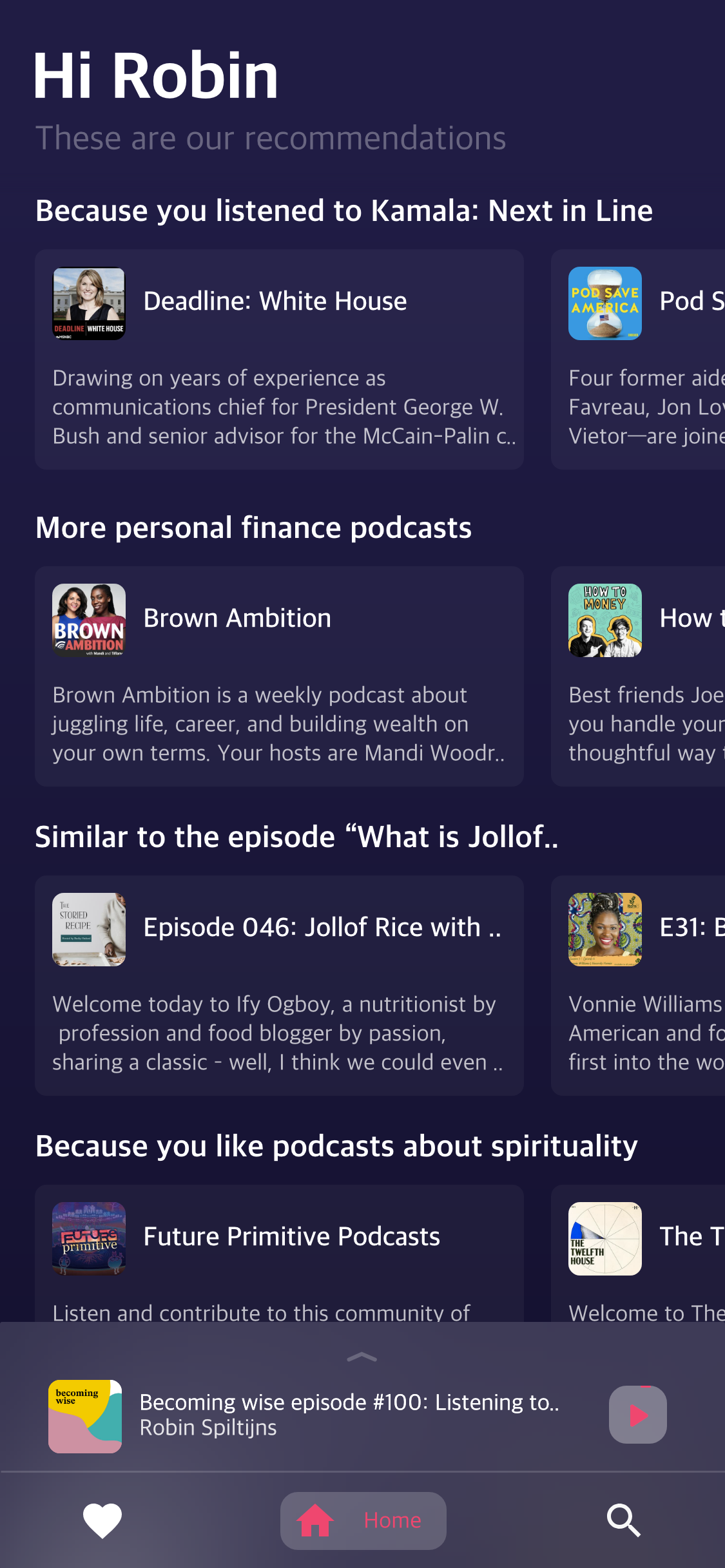
Podcast recommendation app
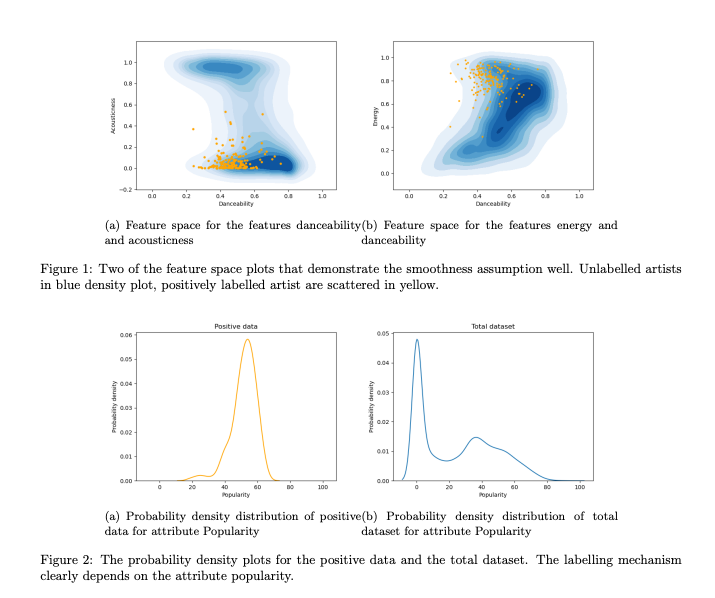
PU learning for music recommendation
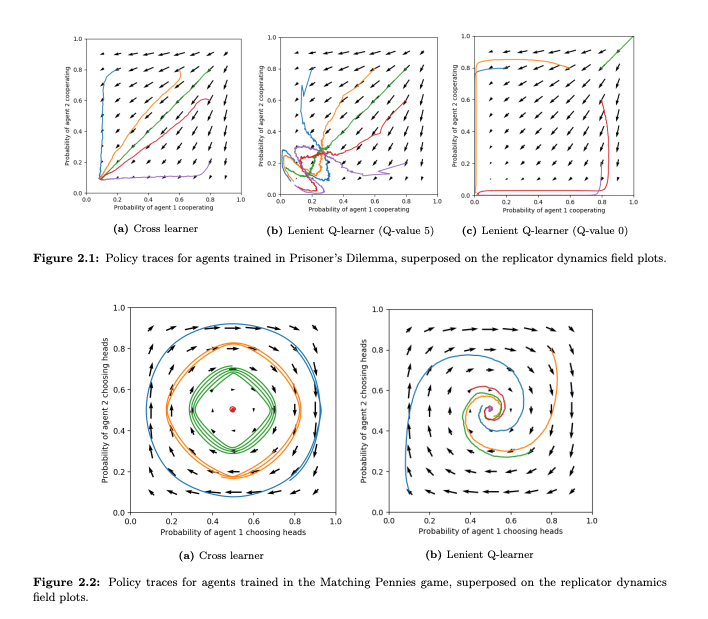
Multi-agent learning in game theory

Multi-agent learning in Kuhn & Leduc poker
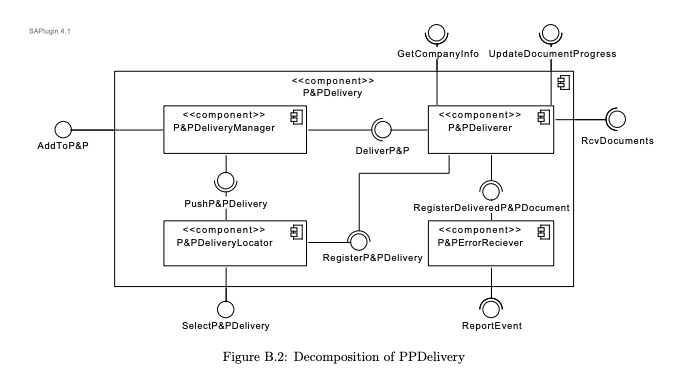
Architectural design for a document processing system
The other half of my brain
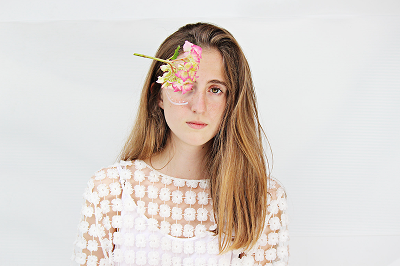
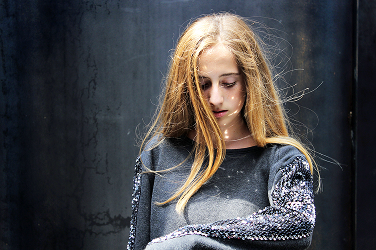
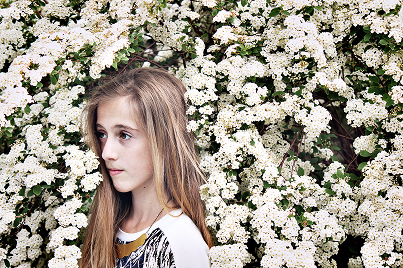
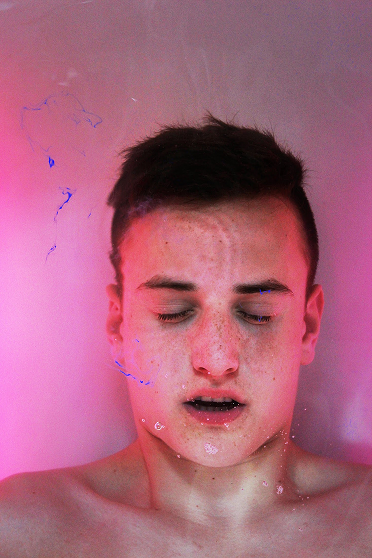
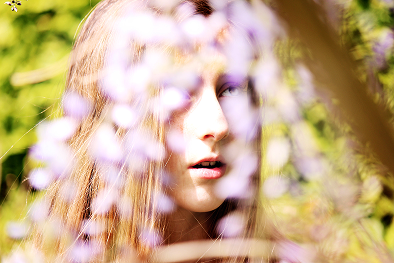
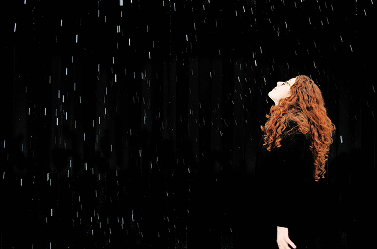
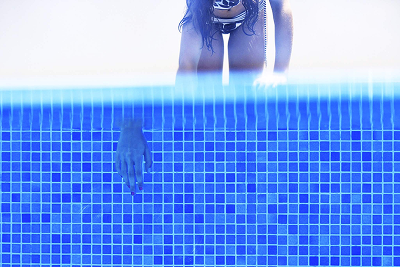
I was also obsessed with creating things outside of the classroom. As one example, I'd spend hours behind the camera. When I started entering photography contests, I actually won several of them. The same instincts that helped me frame compelling photos later helped me design user experiences that felt magical too.
Here are some of my favorite pictures:









First taste of combining the two
Along the way, I kept looking for ways to blend the analytical and creative side of my brain.
I organized Women in Tech, which became the largest independent student event at our university. That meant designing an experience that would resonate with the guests while also figuring out the logistics of getting hundreds of people in a room together. During that time, I raised €80K for my student organization as well.
I also started participating in hackathons, where I could combine technical problem-solving with user experience thinking. Both at the MCP hackathon in San Francisco and Whatthehack (Belgium's largest hackathon), I placed second. Every year, I also competed in Google Hash Code, which is pure algorithmic problem-solving under time pressure.
Then I built something thousands of people use
So, what happened after that interview? I built StoryTeller:
It started with a simple problem: investment reports are terrible. They're full of jargon, intimidating charts, and percentages that don't mean much to most humans. People were just... not reading them. Which meant they weren't up to date with their own financials.
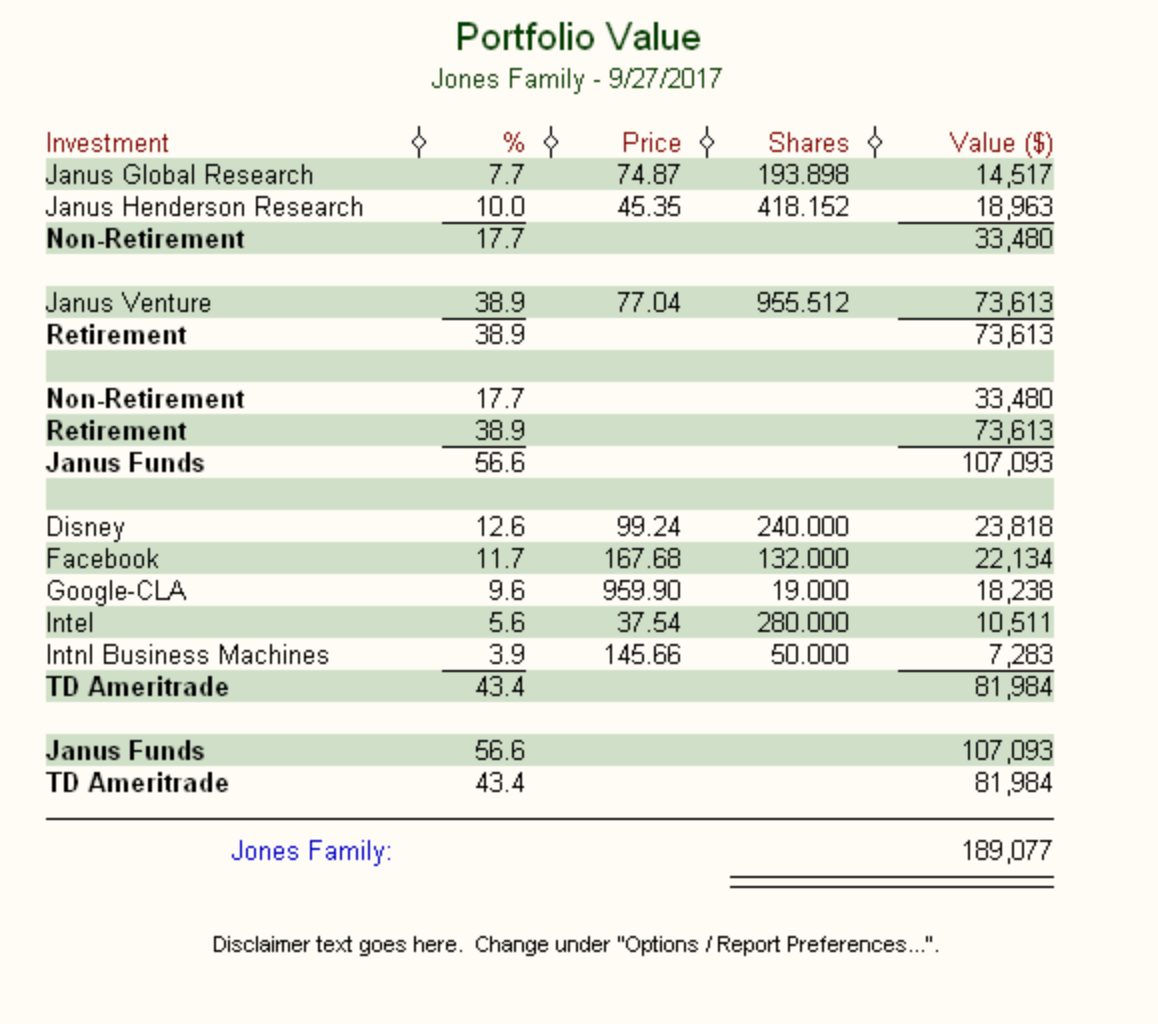
So we built StoryTeller. It takes all that messy financial data and turns it into stories, with narrative arcs and explanations that actually help people understand what's happening with their money.
Every year, over 400,000 reports are being sent to people that they can understand, and are fun to read. This is because we figured out how to make complexity beautiful and engaging in the finance world.
Building this from the ground up
The technical challenge was insane. We're processing sets of data in real-time, generating thousands of personalized narratives that have to be compliant with financial regulations, scalable across multiple languages and regions, and somehow still feel human.
A 10x performance improvement
Component System with Stable Contracts
Serverless architecture on AWS
Also, banks are very particular about their branding, communication style, … so a lot of effort went into this system where there's high configurability and customization, but the system's still scalable.
The industry took notice
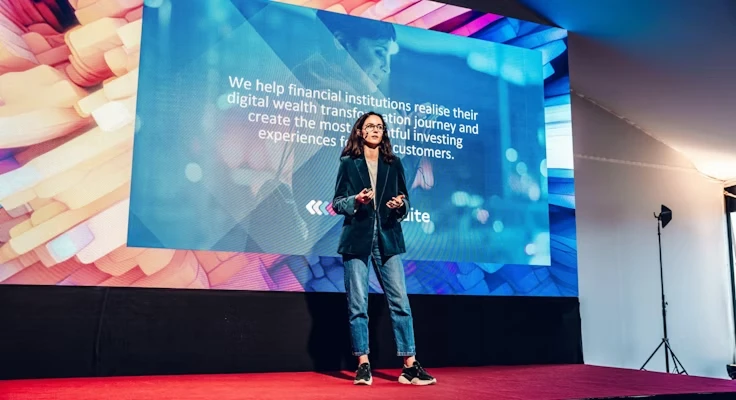
The recognition has been incredible. StoryTeller has won multiple international awards, and I've been invited to speak at industry conferences about our approach to human-centered AI and scaling empathetic product experiences in finance. It's wild presenting your work to rooms full of industry experts and seeing genuine excitement about what you've built.
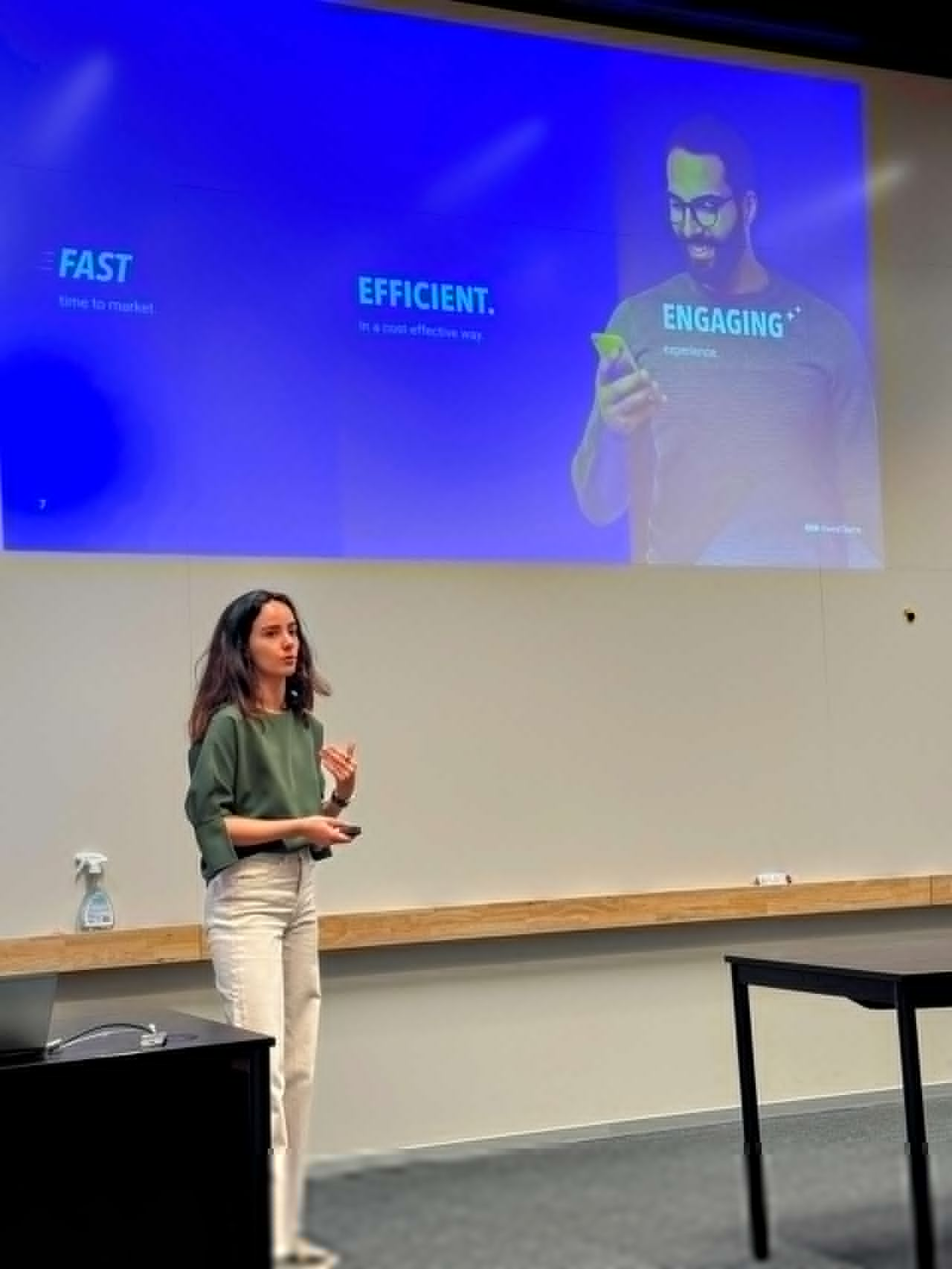
Vlerick Business School
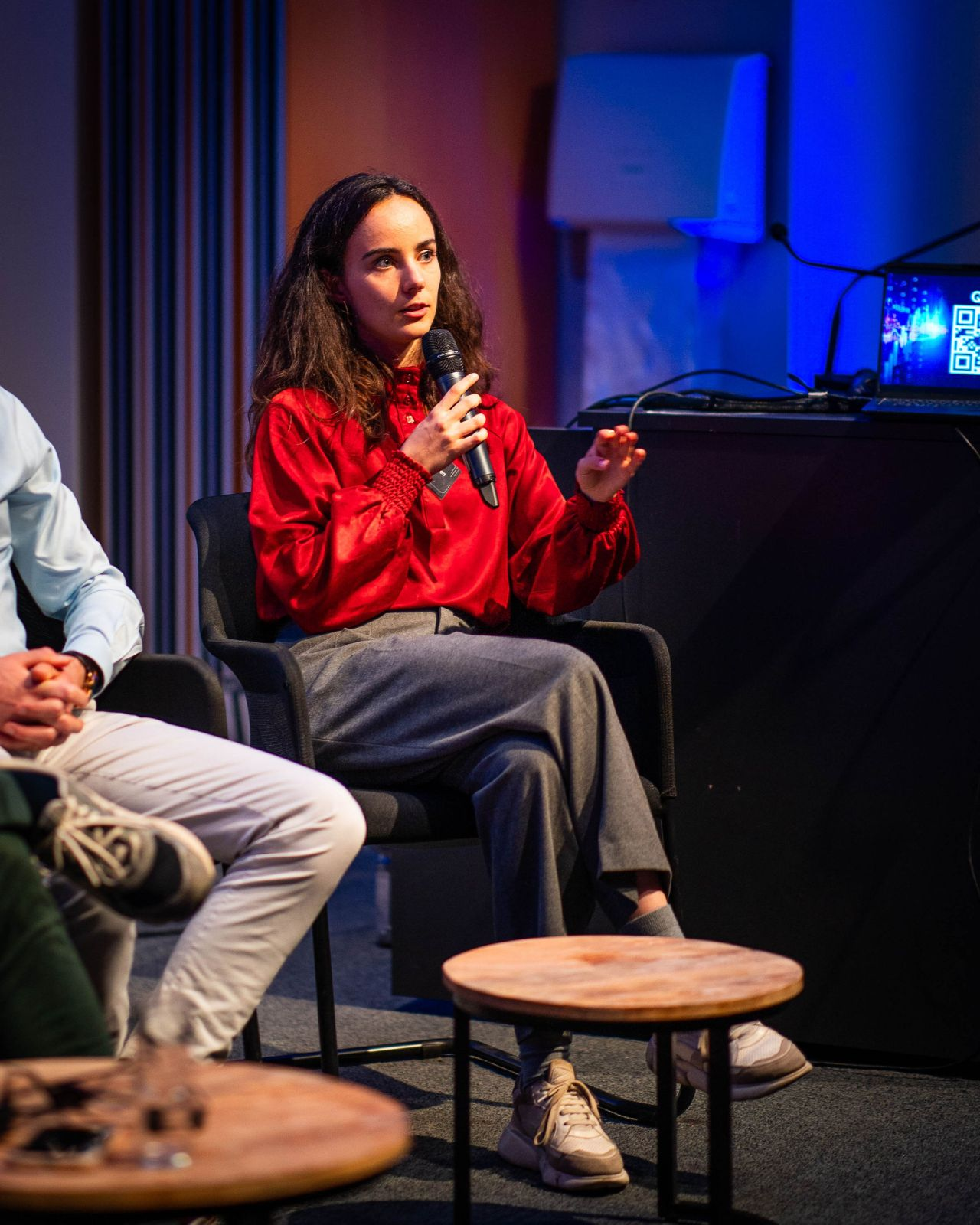
NEXT Fintech Event
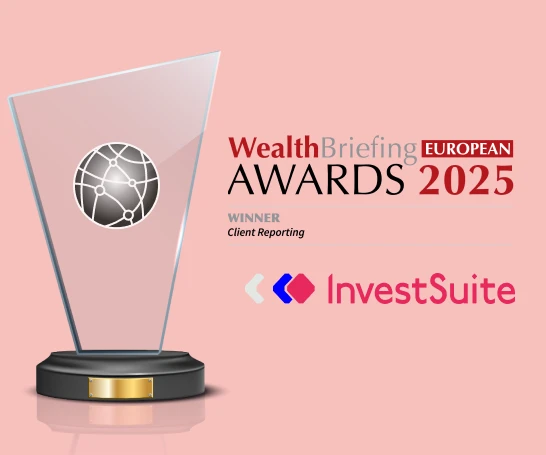
EU Wealth Briefing Awards 2025
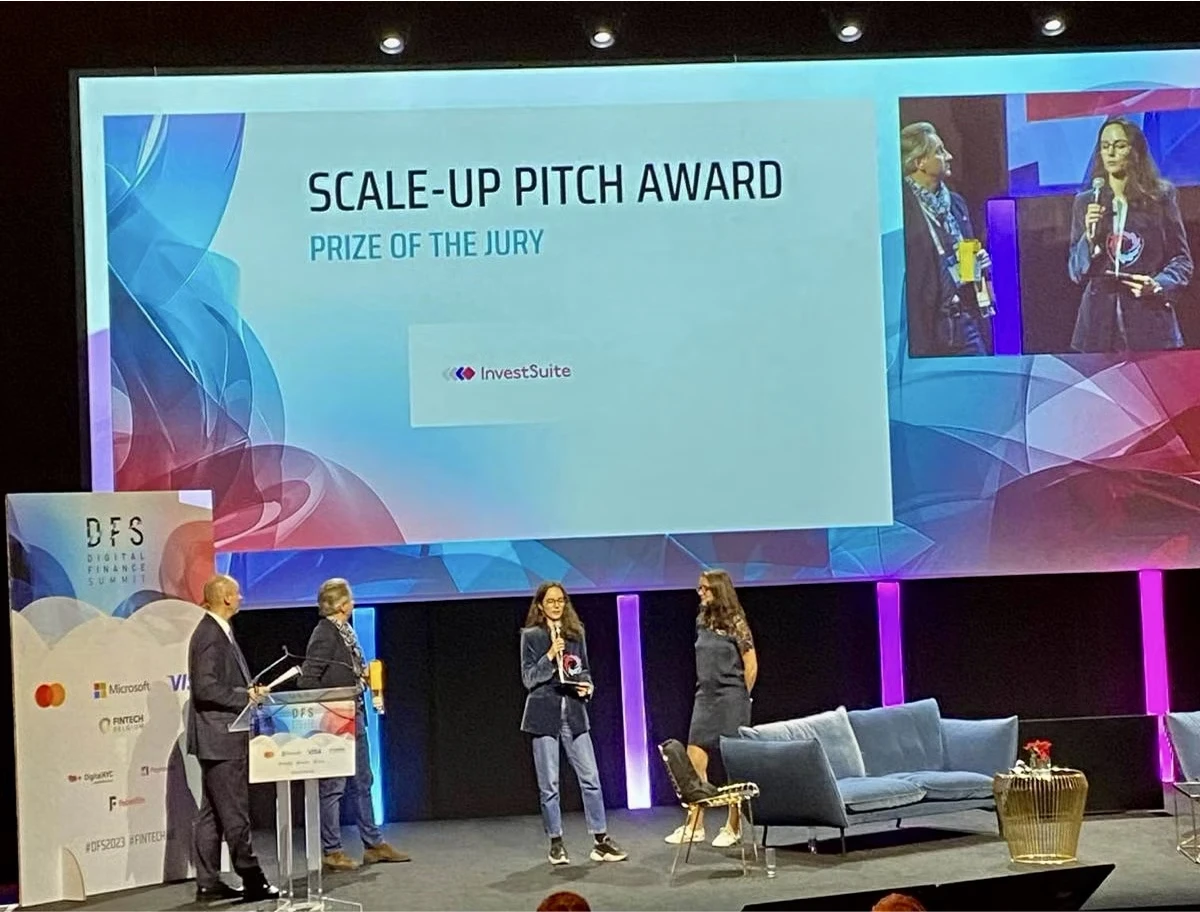
FTBE Scaleup Pitch Award
Global Wealth for Good Award
Supernova Award
Swiss Wealth Briefing Awards 2023
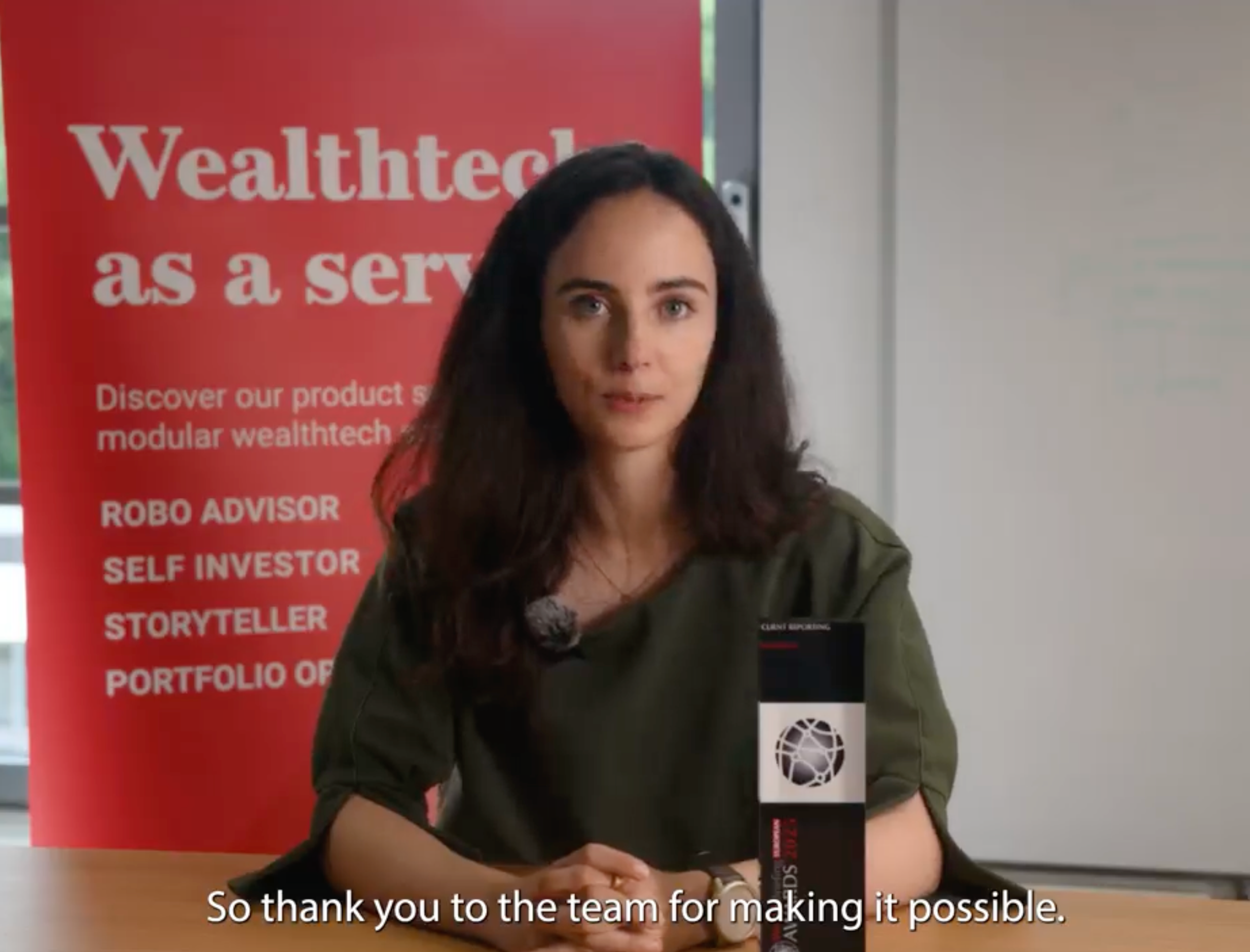
ClearView Financial Media Wealth Briefing EU Award 2025
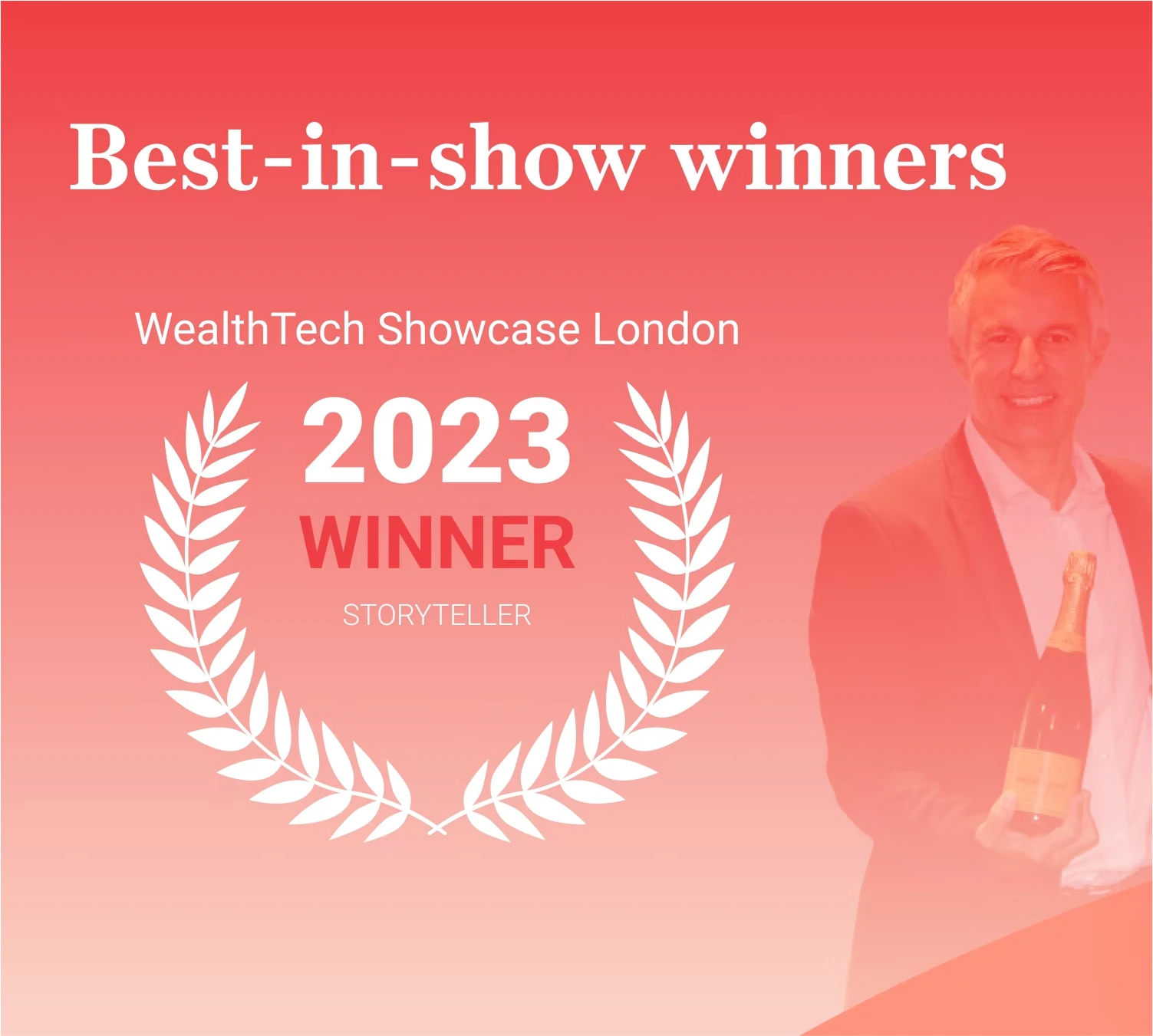
PIMFA Challenge 2023
I've also been able to work with some of the most talented people I've met, and I've learned a lot from them.
What's Next
I'm now ready for something bigger.
I see an opportunity to bring the same human-centered approach that made StoryTeller successful - taking complex, powerful technology and making it feel effortless and delightful - to the AI space.
I'm actively looking to join a growing team in San Francisco that's building an AI product I'd want to use myself. Where I can bring the same energy I had building StoryTeller: that mix of “this technical challenge is fascinating” and “wait, people are going to love this”.